
Progress Report on Rainforest Restoration and Community Support Activities
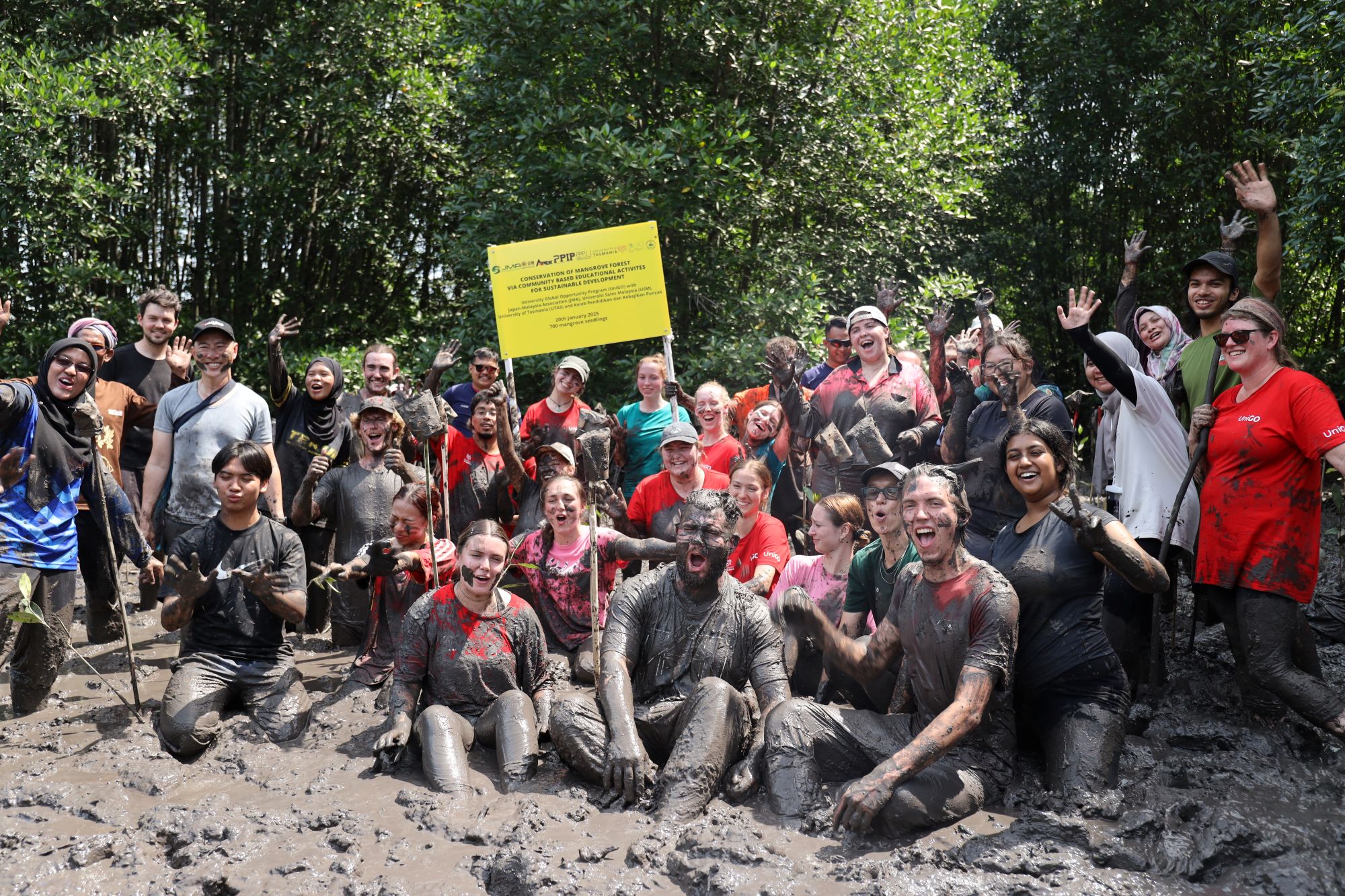
Mangrove forest restoration activities in Peninsular Malaysia
The original of this article was written in Japanese and can be found here.
Since 1995, the Japan Malaysia Association (JMA) has been conducting rainforest restoration activities in Sarawak State on the island of Borneo, with the support of corporations, organizations, and individual donors. The program focuses on restoring lowland tropical rainforest by planting native species — primarily Dipterocarpaceae — in secondary forest degraded by logging. Since 2017, the program has also expanded to include mangrove planting for wetland forest conservation.
In 2018, JMA further extended its activities to Kedah State on the Malay Peninsula, launching a mangrove restoration initiative there. The Association now conducts tropical rainforest restoration work in both Borneo and Peninsular Malaysia.
Following the COVID-19 pandemic, Malaysia imposed strict movement restrictions that curtailed many social activities. However, tree-planting operations continued throughout this period with government authorization, with local communities carrying out seedling cultivation, maintenance of planted trees, and new planting work.
Vaccination progress subsequently drove down new infection numbers, all restrictions were lifted, and social and economic life has returned to normal.
JMA continues to operate in accordance with Malaysian government guidelines, with health and safety as its first priority. This report covers activities carried out from January through April of this year, following on from the previous issue.
Activities on the Malay Peninsula
● Mangrove Forest Restoration Project
In the Merbok Forest Reserve in Kedah State and the Sungai Acheh Forest Reserve in Penang State, JMA is implementing the “Kinoshita Forest Mangrove Restoration Project” (supported by KINOSHITA GROUP Co., Ltd.) and the “Yuasa Shoji Forest” project (supported by Yuasa Trading Co., Ltd.), in collaboration with state government agencies, Universiti Sains Malaysia (USM), and local village communities.
On Monday, January 20, a tree-planting program was held at the Merbok Forest Reserve, drawing a total of 85 participants: students and faculty from Universiti Sains Malaysia, students from Albukhary International University (a private university in Kedah), students and faculty from the University of Tasmania (Australia), staff from the Kedah State Forestry Department, personnel from the Sungai Petani District Fire and Rescue Department, and members of local community groups.
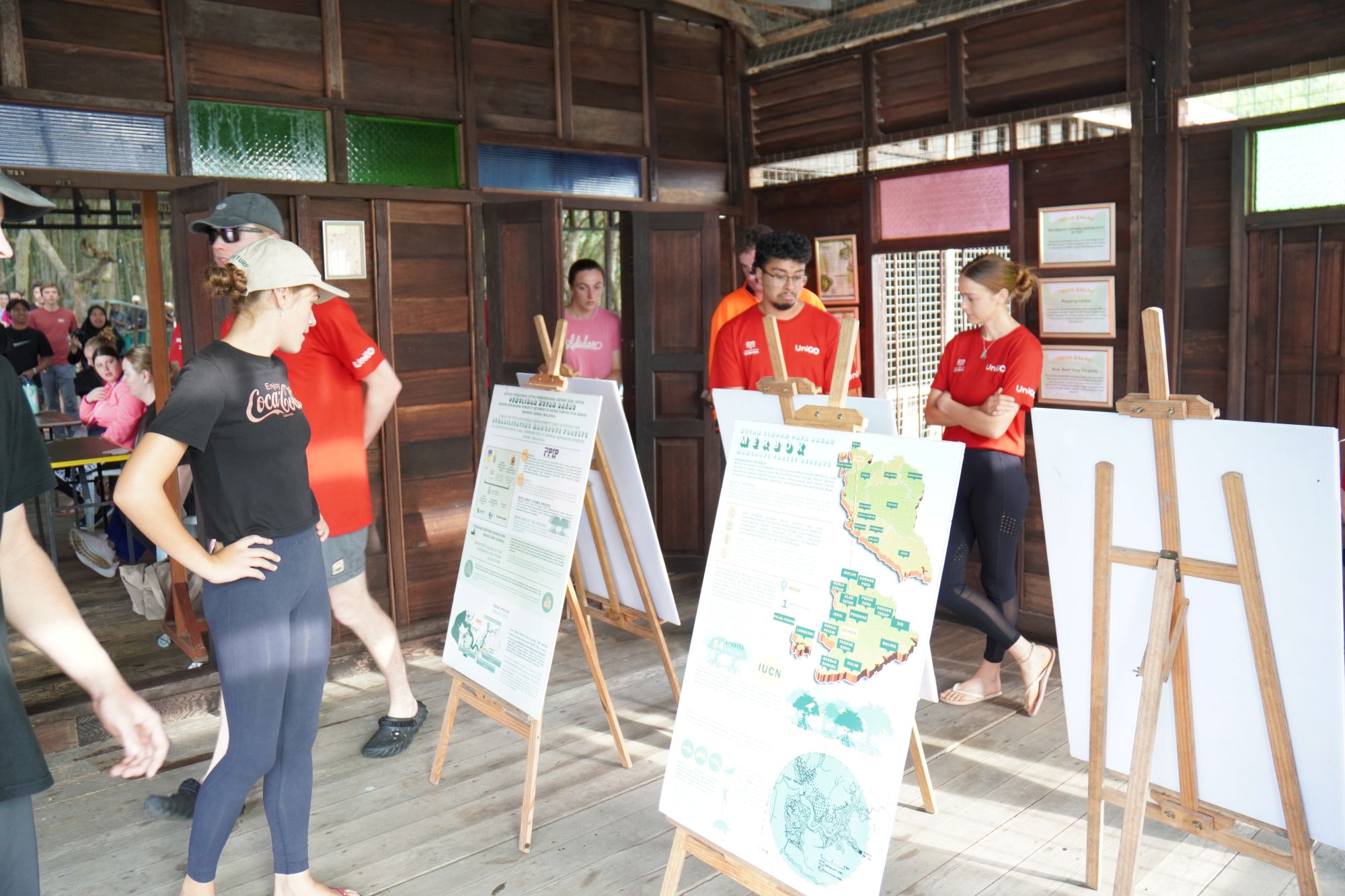
Participants study display materials before the planting begins
In February, planting work was carried out at the Sungai Acheh Forest Reserve by local community group members, with a cumulative total of 45 participants joining on weekends throughout the month. In March — during the Islamic fasting month of Ramadan — local residents focused on seedling management rather than planting.
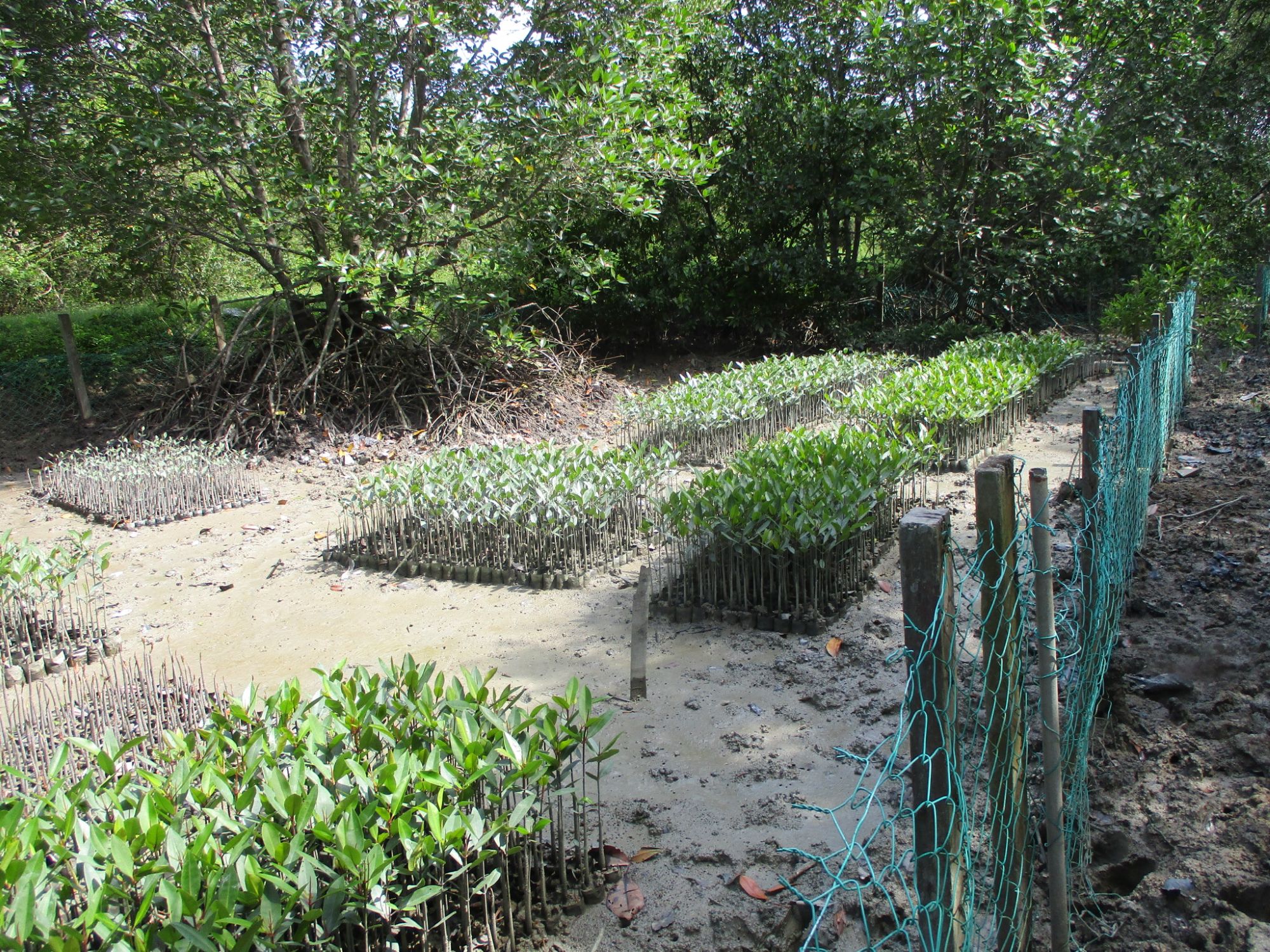
Mangrove seedling cultivation
In addition to the planting activities, an educational outreach program was held on Sunday February 2 and Monday February 3 at the Mangrove Education Hub in Sungai Batu Busi village, near the Merbok Forest Reserve. Thirty-one children from local primary schools participated in the two-day “Mangrove Camp.”
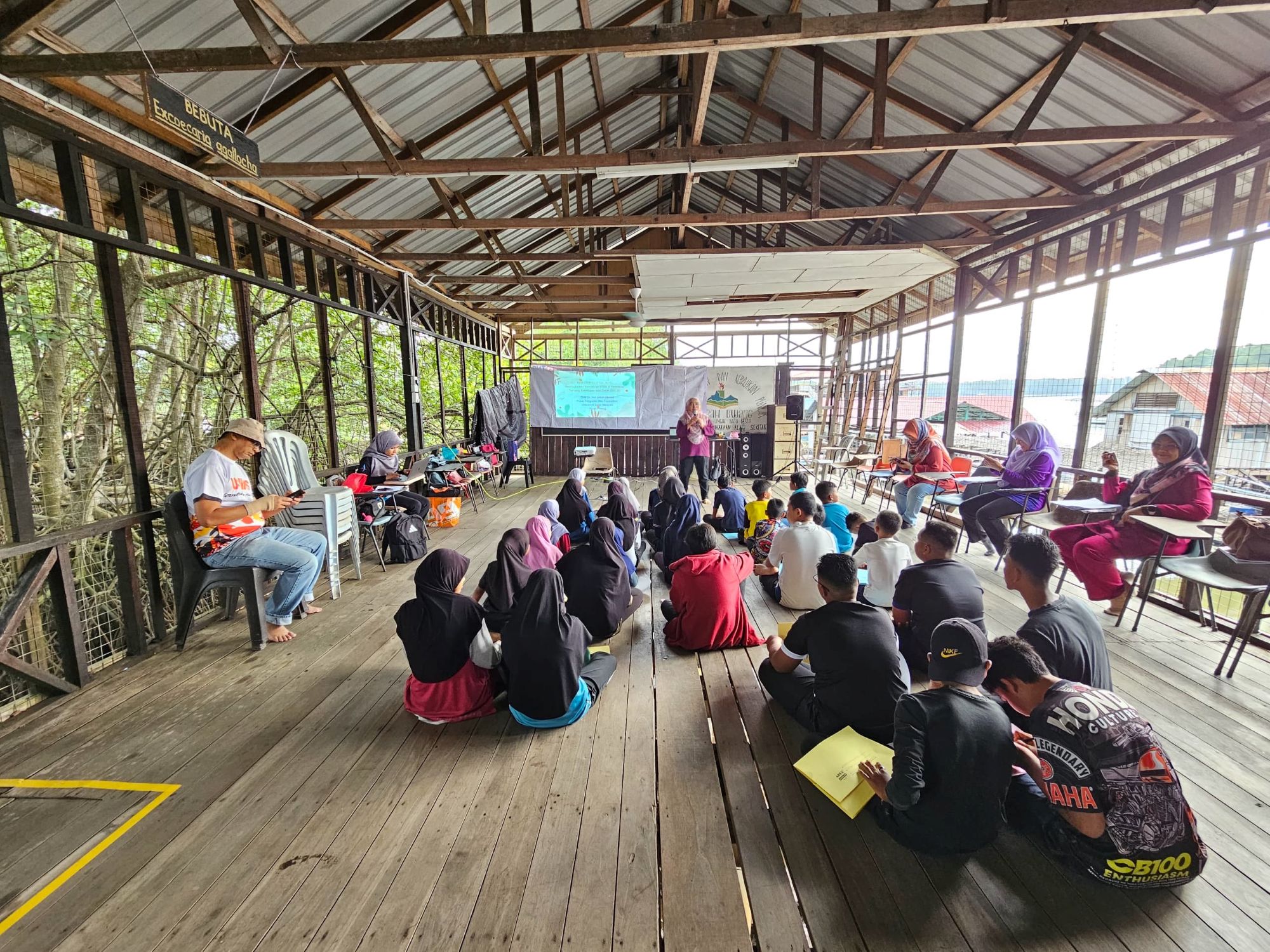
Children learning about the environment
Over the two days, USM project members ran an inquiry-based education program centered on mangrove forest conservation, designed to deepen interest in science among rural children and foster their creativity. The children actively engaged in sessions on land and mangrove ecosystems, water quality testing and reflection on the role mangroves play in water purification, and the creation and performance of short plays exploring the relationship between mangrove forests and everyday life.
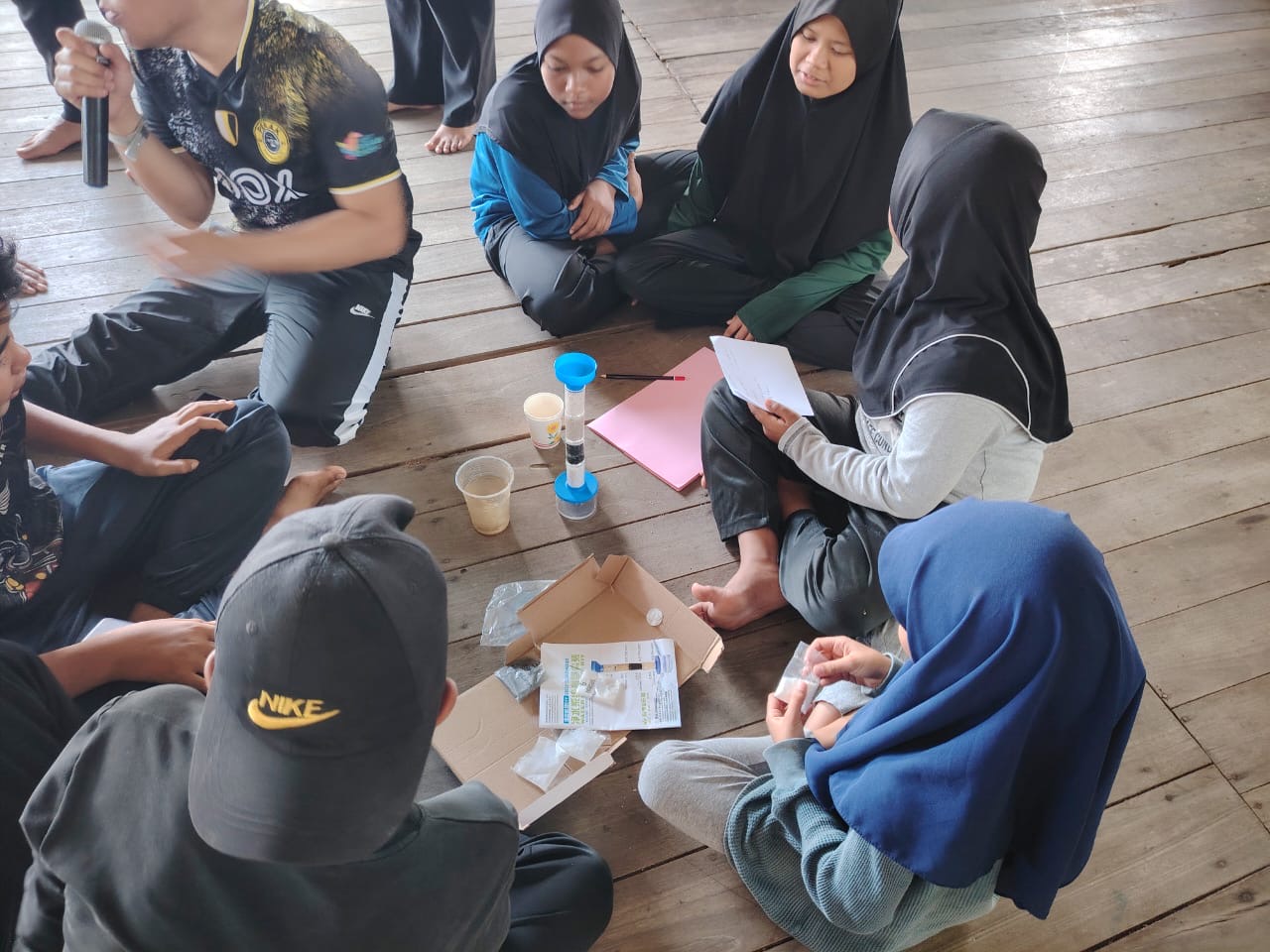
Hands-on water quality testing
Separately, as part of the “Yuasa Shoji Forest” project, a school supply donation ceremony was held in December of last year at Haji Omar Tahir Primary School in the project’s activity area, attended by Consul-General of Japan in Penang Shinya Machida. The ceremony provided stationery, schoolbags, and other study supplies to children from low-income households. Following the start of the new school year in February of this year, the supplies were distributed to all of the children.
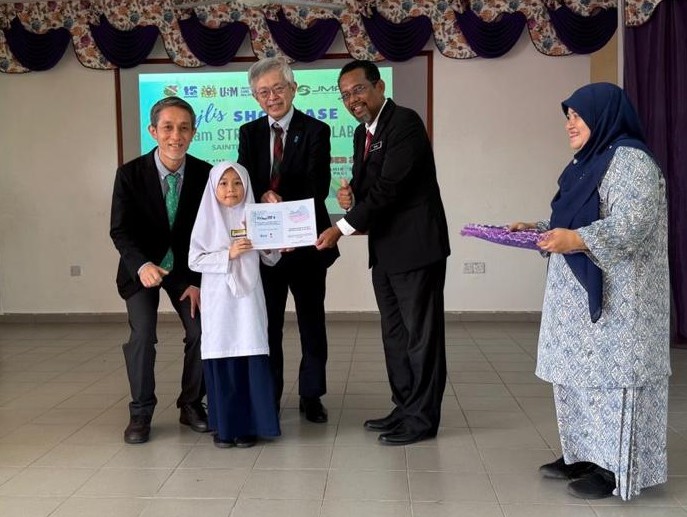
Consul-General Machida (third from left) at the donation ceremony
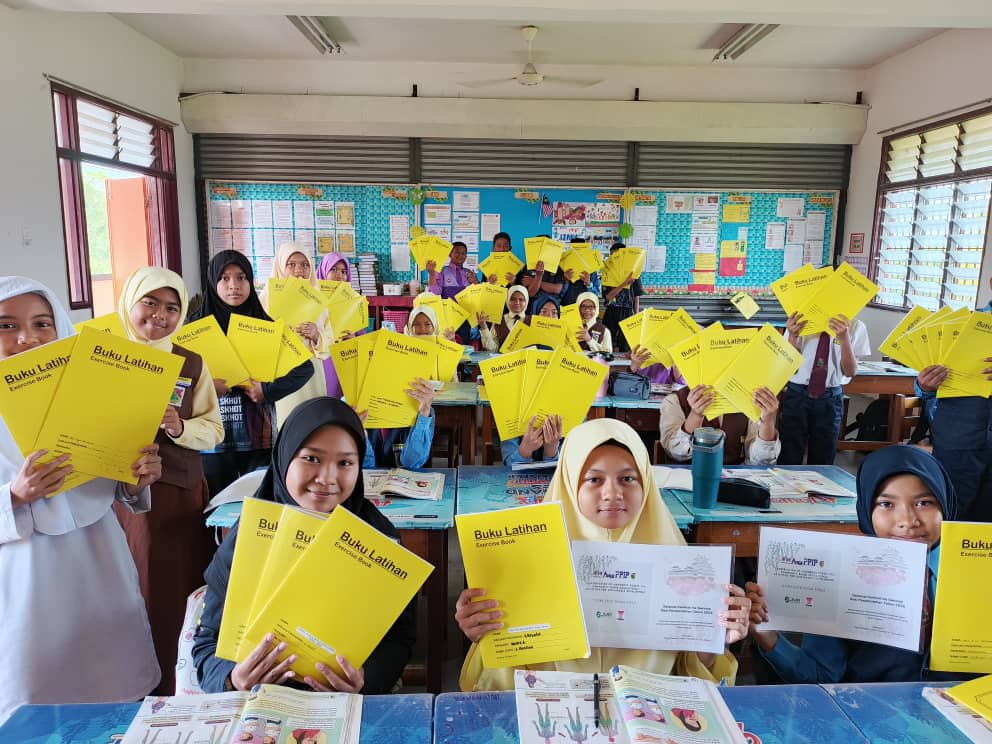
Distributing study support supplies to the children
This year, JMA will continue to implement tree-planting and community support programs in partnership with local partner organizations and village groups.