
Improving Lives Through Village Water Supply System Development and Building an Inter-Agency Network in Sarawak State
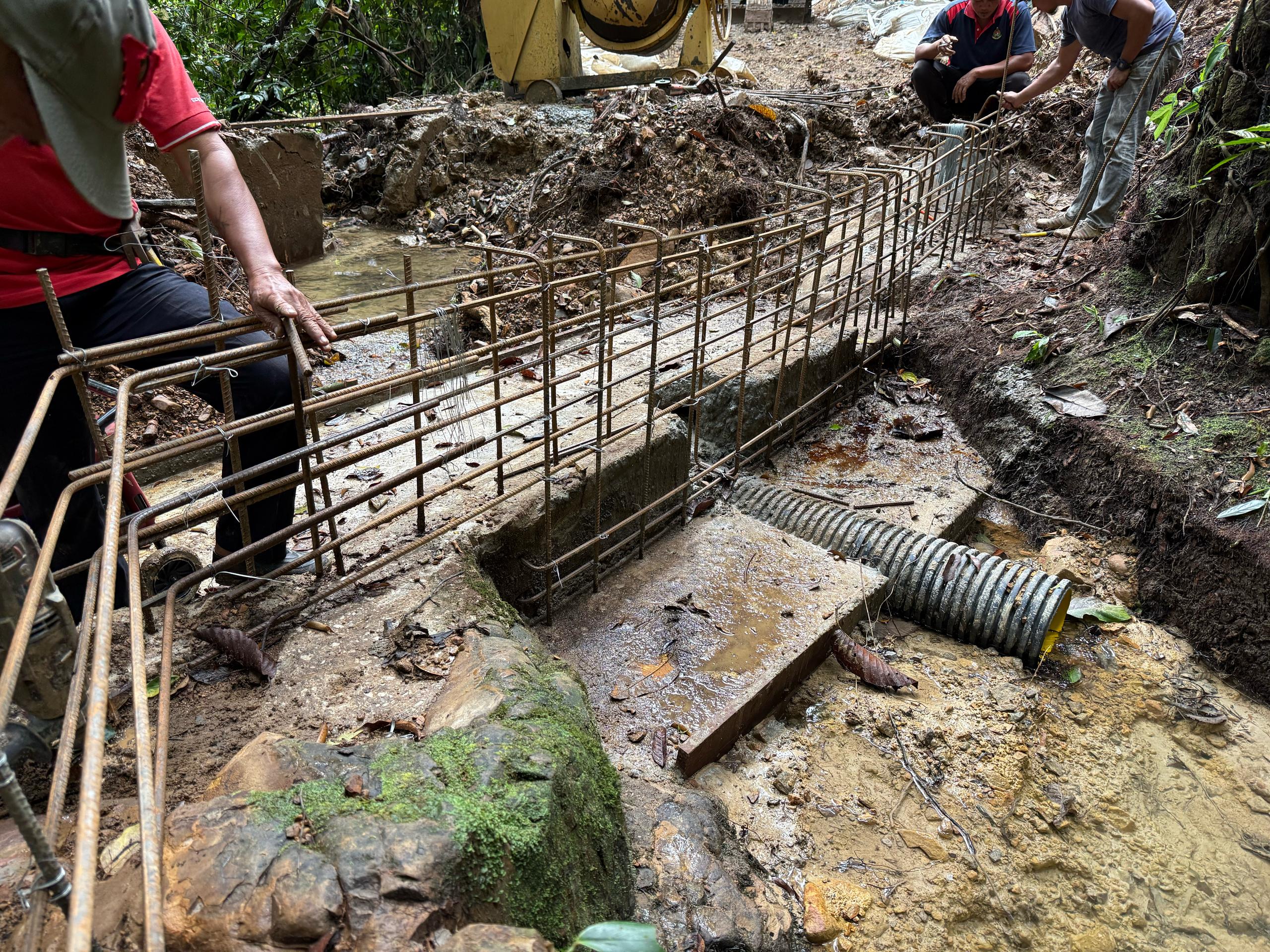
Project site in the Sabal National Park area, Sarawak
The original of this article was written in Japanese and can be found here.
The Ministry of Foreign Affairs of Japan (MOFA) recognizes international cooperation by Japanese NGOs as grassroots-level support that works in close contact with communities in developing countries and responds flexibly to residents’ needs. Under its Grant Assistance for Japanese NGO Projects scheme, MOFA provides ODA funding to projects planned and implemented independently by Japanese international cooperation NGOs in developing countries, in line with Japan’s country-specific development cooperation policies. From the end of March 2024, the Japan Malaysia Association (JMA) implemented a FY2023 Grant Assistance for Japanese NGO Projects titled “Improving Lives Through Village Water Supply System Development and Building an Inter-Agency Network in Indigenous Communities of Sarawak State.” The project was carried out in the area surrounding Sabal National Park, in the Balai Ringin Sub-district of the Serian Division, Sarawak.
Project Overview
In the indigenous communities surrounding Sabal National Park, Sarawak, residents face significant hardship due to inadequate water access. The project aims to improve quality of life by developing a village water supply system, planting trees to protect water source areas, introducing livelihood improvement programs that make use of the capacity freed up by better water access, fostering community-led maintenance of the water infrastructure, and implementing agricultural improvement and environmental health education programs in cooperation with relevant agencies.
Project Location and Background
The Balai Ringin Sub-district, where the project is located, covers 1,314 km² (more than twice the area of the 23 wards of Tokyo), with a population of 15,165 spread across 221 settlements at a density of 12 persons per km². The poverty rate stands at 19.9%, and water supply is split between piped water (23.1%) and other means such as village water systems (76.9%). The area surrounding Sabal National Park — the most remote part of the sub-district — has no piped water supply and carries one of the highest poverty rates in the region (Sarawak State Statistics 2020). This area, home to approximately 3,000 people, is located around two hours by car from the state capital Kuching, near the Indonesian border, and is dotted with small villages inhabited primarily by the indigenous Iban people.
Sabal National Park was established in 2018, when the Sarawak State Government designated secondary forest that had regenerated on previously logged land as a forest regeneration zone within a protected forest reserve. Since 2011, JMA has been working in collaboration with the Sarawak Forestry Department, Sarawak Forestry Corporation, Universiti Malaysia Sarawak (UNIMAS), and local communities to carry out tropical rainforest restoration through the planting of native species including dipterocarps and indigenous fruit trees. Throughout this work, residents have raised water scarcity as a pressing problem affecting their daily lives, making it one of the key challenges to be addressed.
Project Goals
The project pursues three main objectives. First, to improve water conditions in indigenous communities by installing a village water supply system, thereby generating additional capacity that residents can channel into livelihood improvement activities. Second, to form a community organization capable of independently maintaining the water supply system on an ongoing basis. Third, to build a collaborative network among state government agencies, district offices, national universities, local NGOs, and village organizations — enabling project results to be shared and replicated in other areas.
Project Activities
The following activities were carried out in the two target communities: Sabal Apin village (primarily Iban, population approximately 200) and Sabal Tapang village (Iban and Chinese residents, population approximately 100), for a combined total of roughly 300 beneficiaries.
1. Launching an inter-agency network
Because the project area is vast and settlements are widely scattered, understanding each village’s situation and maintaining connections between communities is difficult. An inter-agency network was established to conduct joint surveys and hold regular meetings.
2. Developing a water supply plan and holding village meetings
A development plan suited to the specific conditions of the target area was drawn up, shared with community members through consultation, and refined through discussion before activities were finalized.
3. Installing the village water supply system
The water supply infrastructure was built to improve conditions in the villages. A weir was constructed at the water source to raise the surface level of the stream, creating enough pressure to channel water through newly laid pipes into the villages, ensuring a reliable supply for daily use. Deteriorated PCB pipes were replaced with HDPE pipes and connectors along a total route of four kilometres. A water supply management team was formed in each village to maintain the weir and the water delivery system through sediment removal and regular pipe inspection, establishing a framework for self-sustaining operation. Trees were also planted around the water source area to protect its function over the long term.
4. Post-improvement village surveys and agricultural improvement programs
With the additional time and resources freed up by better water access, an agricultural improvement program was developed in consultation with experts from government agencies and universities, and introduced following discussions with village residents.
5. Building a working partnership with a local NGO
A collaborative relationship was established with a local NGO founded in August 2020, whose core members are affiliated with Universiti Malaysia Sarawak (UNIMAS) — the same university with which JMA partners on its reforestation work. This NGO joined the project’s inter-agency network and participated in village surveys and deliberations on the agricultural improvement program.
Conditions in the Project Area
All activities have been carried out in accordance with Malaysia’s standard operating procedures (SOPs) established in response to the COVID-19 pandemic. Below is a progress report for January through March of this year.
Recent Key Activities
● Inter-agency network activities
From January through the end of March, the local project coordinators worked with specialists, NGO partners, Sarawak State Government agencies, the district office in the project area, and village organizations to share project progress and conduct surveys on village water supply conditions and agricultural improvement prospects.
On Monday, January 20, a meeting was held at the Department of Mineral and Geoscience Malaysia, Sarawak (JMG Sarawak) to discuss the maintenance and management of the water source and the water supply system, as well as the implementation of water quality testing.
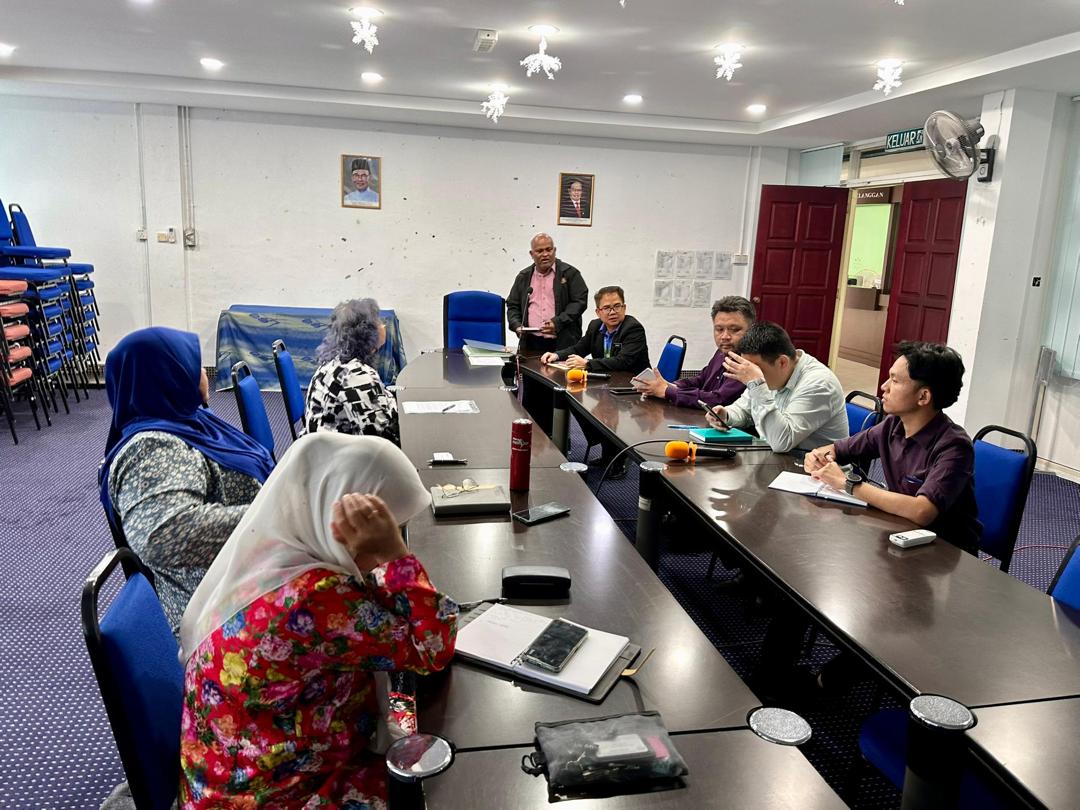
Discussions with Sarawak State Government agencies
● Village water supply system
The replacement and installation of approximately four kilometres of deteriorated PCB pipe with HDPE pipe — running from the water source to Sabal Apin village and Sabal Tapang village — was completed at the end of September last year. Since then, each village has been independently maintaining the system. Project signboards were erected along the water pipe routes and at the centre of each village to inform residents that the infrastructure was developed with Japanese support, and JMA will continue to work alongside the village organizations on livelihood improvement.
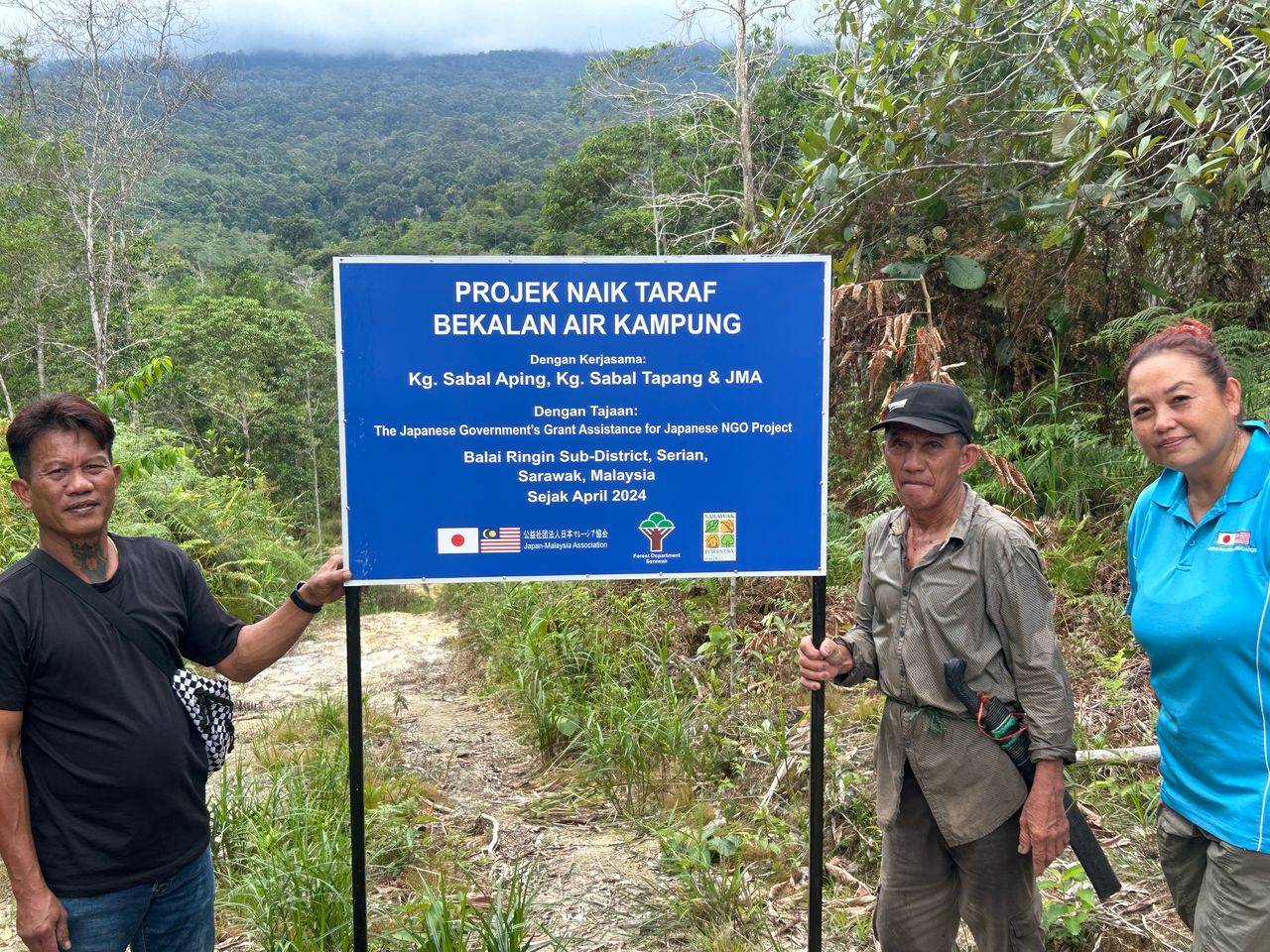
Signboard installed along the water pipe route
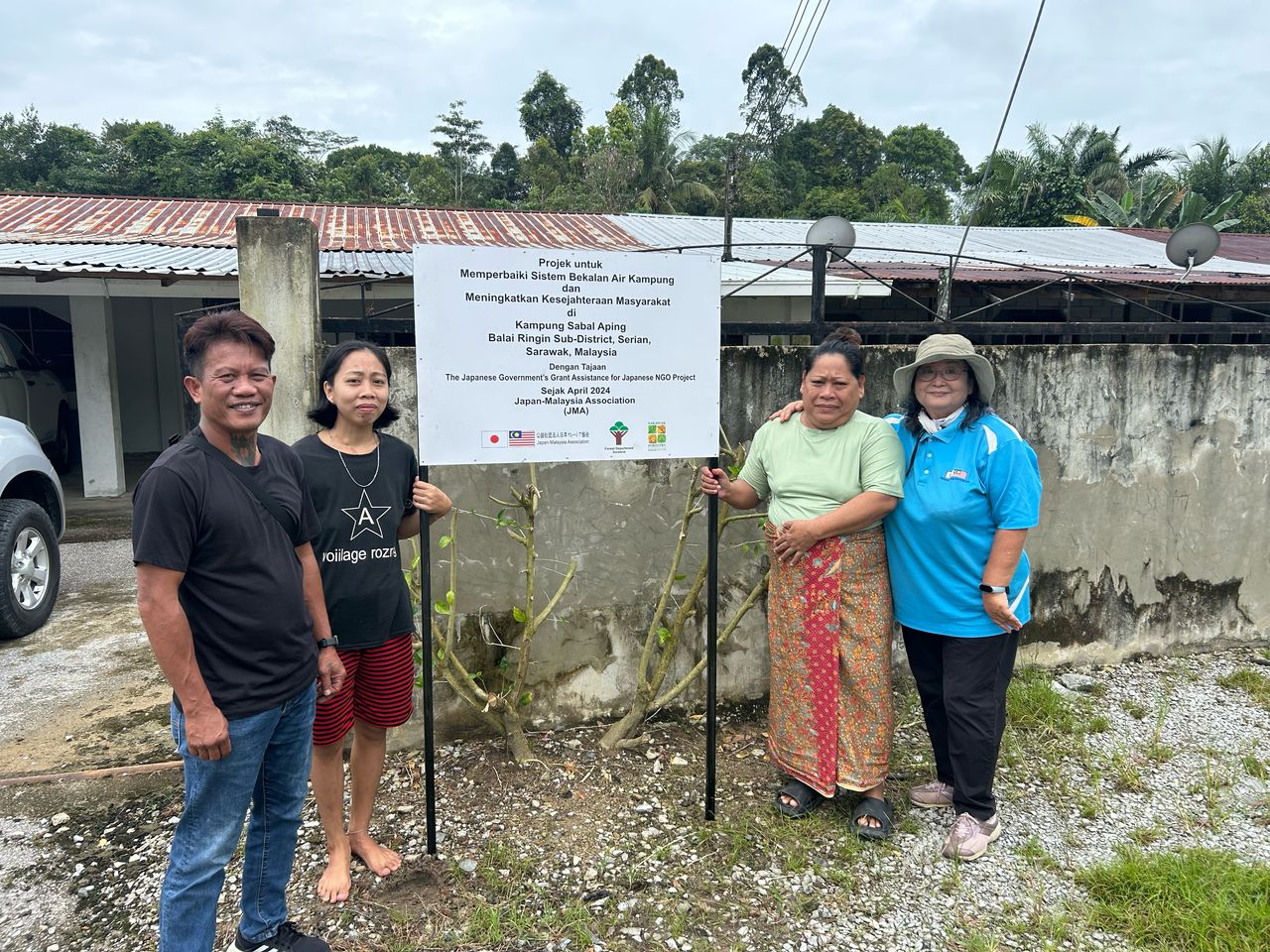
Signboard installed in Sabal Apin village
● Tree planting to protect water source function
By December last year, 3,000 seedlings of native species including dipterocarps were planted around the water source area, and maintenance work has continued since. At the end of March, state government officials and specialists visited the planted areas to inspect the trees and collected water samples from the source for regular water quality testing.
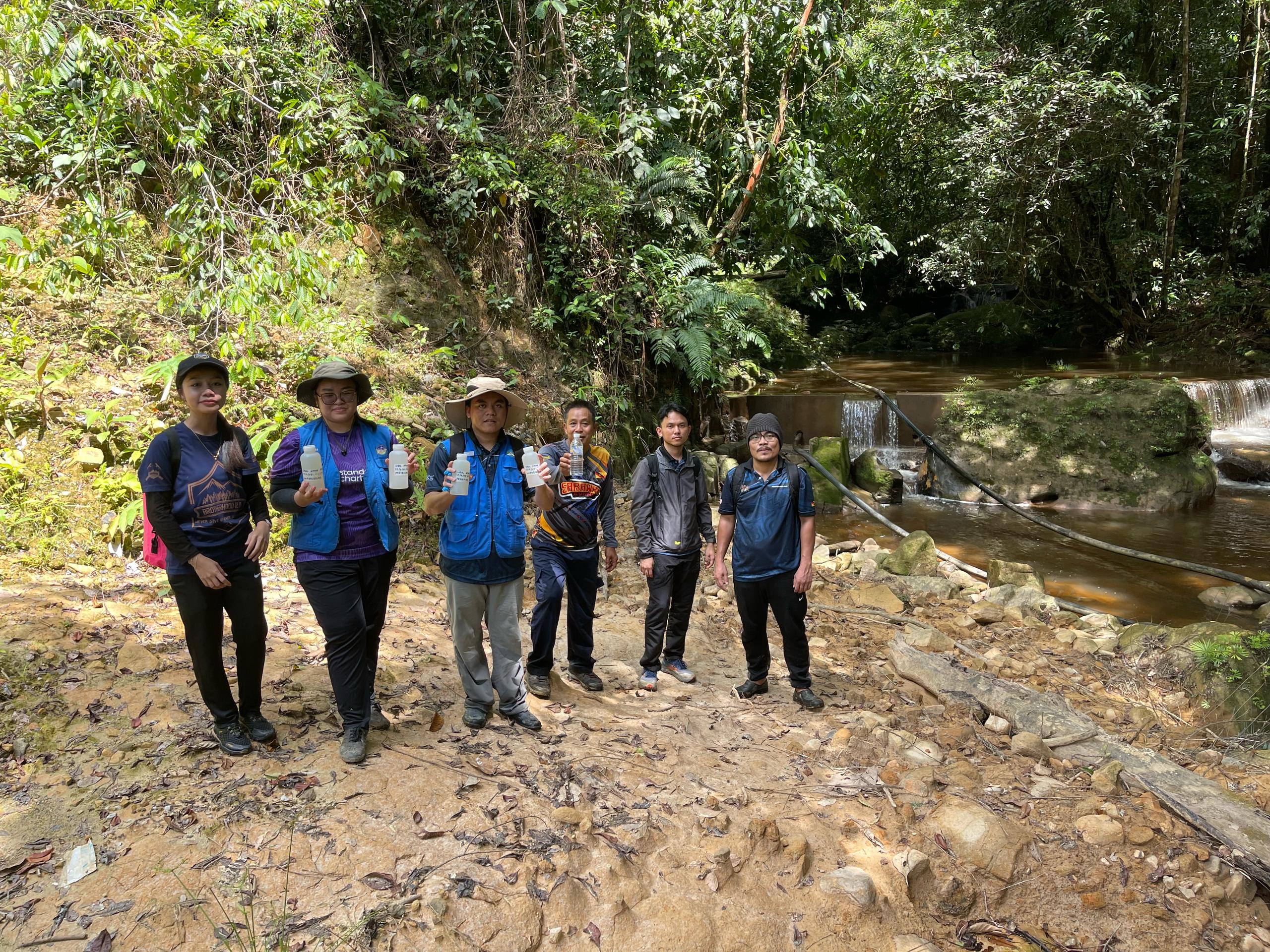
Survey of the water source area
● Workshop on water supply system maintenance
On Saturday, March 1, a workshop was held at the village community hall for residents of Sabal Apin and Sabal Tapang villages.
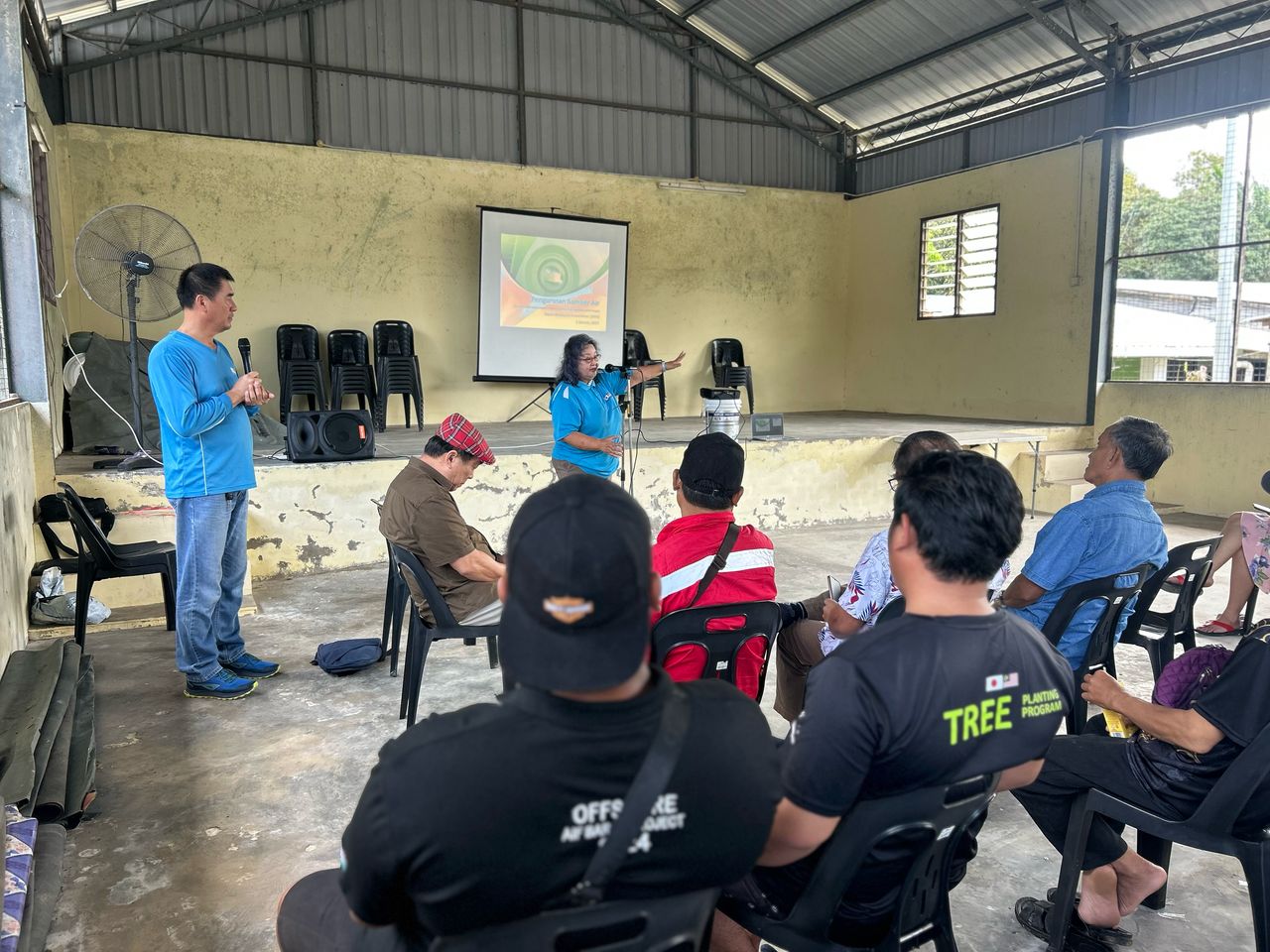
Reporting project outcomes to residents
Following a results presentation by the project coordinator, specialists explained how to maintain the water delivery system; how to use the supplied water appropriately as drinking water; and how to use it efficiently for bathing, washing dishes, doing laundry, and toilet use. They also covered how residents can take advantage of the additional capacity that better water access has created to improve their livelihoods, and a question-and-answer session followed.
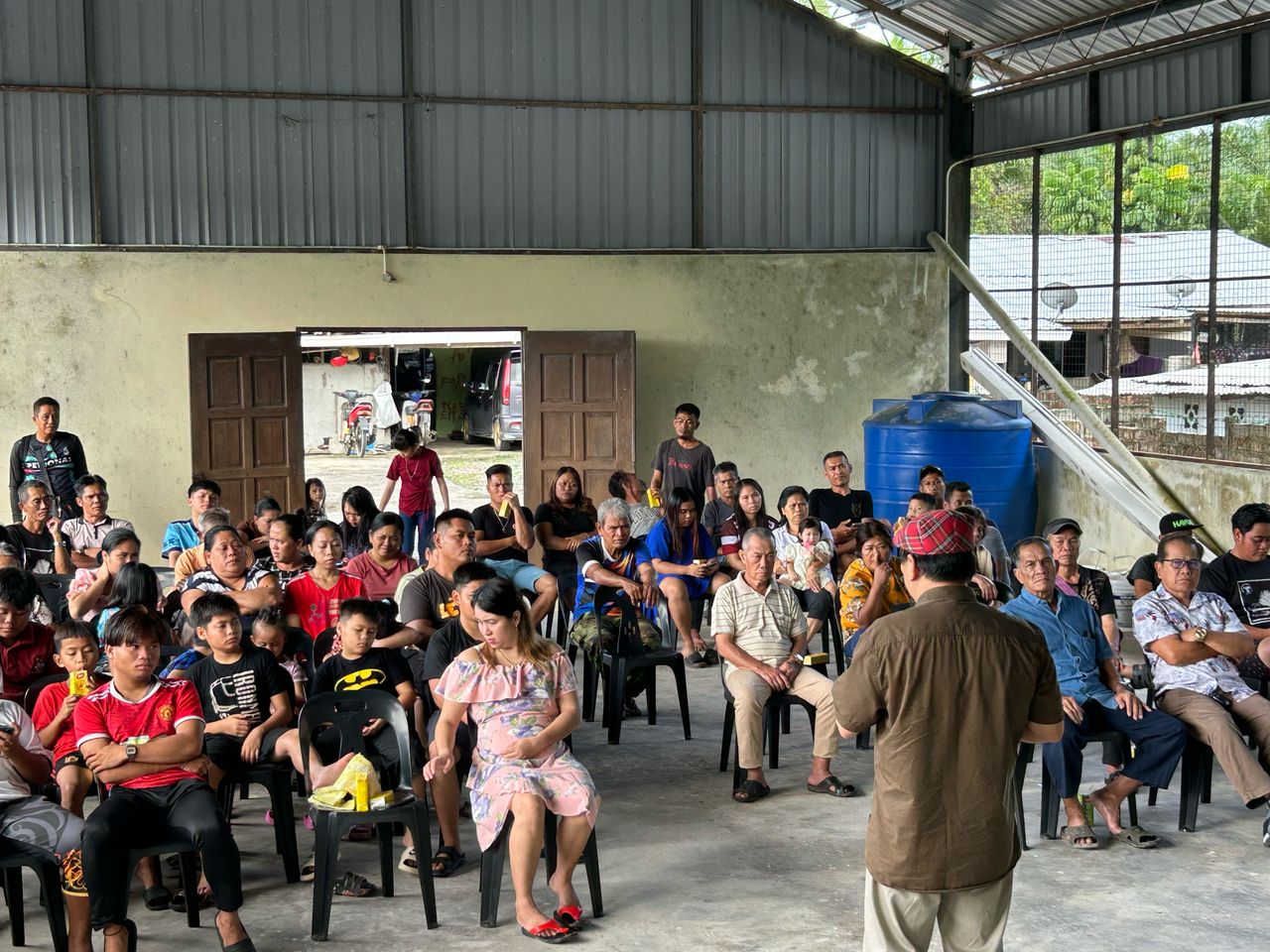
Expert-led workshop for village residents
● Post-improvement village surveys and introduction of agricultural improvement programs
Once the water supply infrastructure was in place, an agricultural improvement program was developed and discussed with village organizations before being introduced.
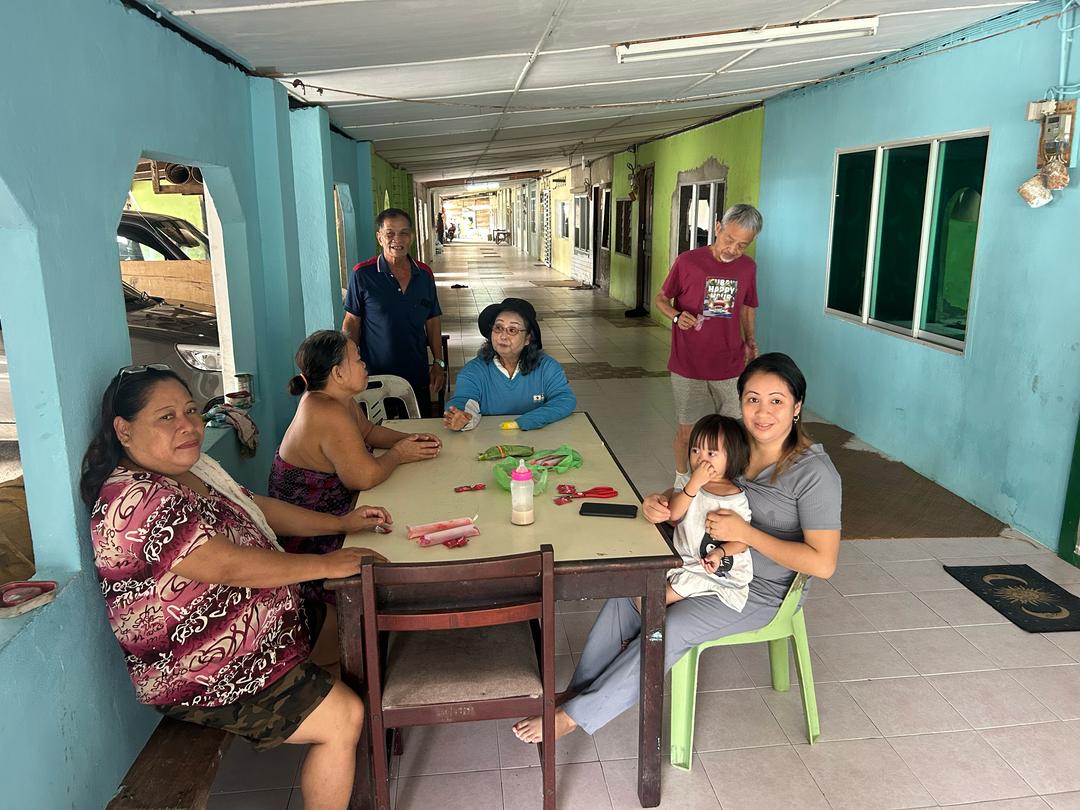
Discussions with the village women’s committee
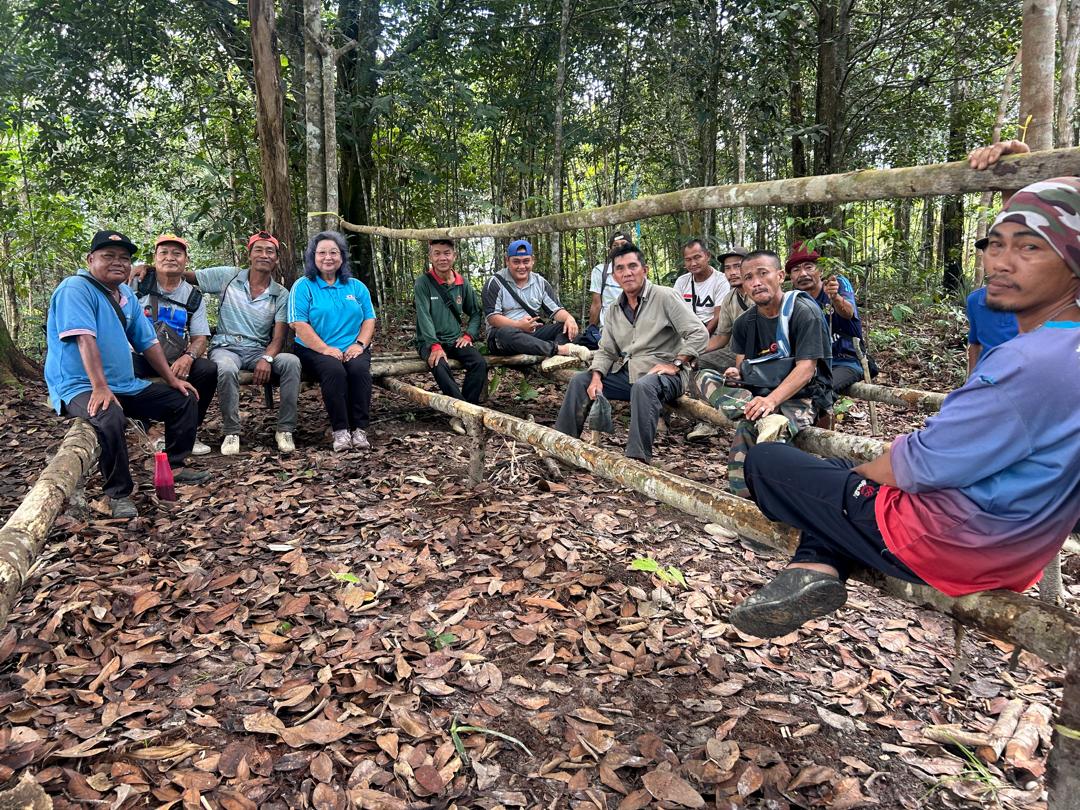
Discussions with the village men’s committee
Both Sabal Apin and Sabal Tapang villages have since begun cultivating cassava, corn, pineapple, and other crops on previously unused land near the villages, made possible by the additional time and water supply that the improved infrastructure affords. Some households are also preparing to start keeping chickens on their own initiative. The water improvements are clearly shifting community attitudes toward livelihood betterment.
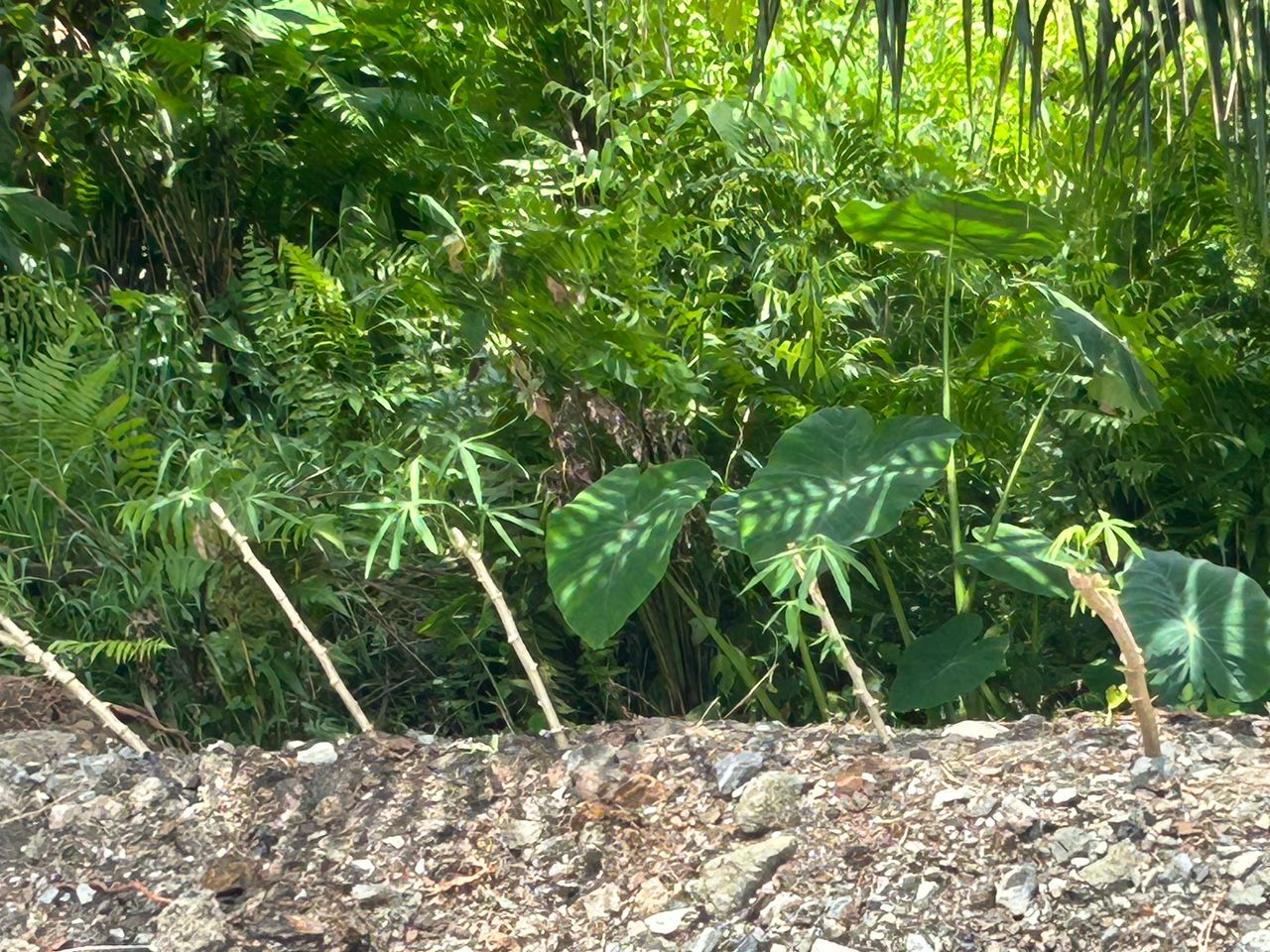
Newly planted cassava
JMA will continue working through its network of local NGOs and partner agencies to promote village water supply and agricultural improvement across the region.
Year Two of the Project Begins
From the end of March this year, JMA launched the FY2024 continuation of the project: “Improving Lives Through Village Water Supply System Development and Building an Inter-Agency Network in Indigenous Communities of Sarawak State.”
This year’s work targets approximately 400 residents of Sungai Kura village and Sabal Jaya village, near Sabal National Park, and comprises the following activities.
● Village water supply system development
Construction of an access road to the water source (1.2 km), construction of one weir, replacement and laying of deteriorated sections of the water delivery pipe from the source to the villages (0.5 km), replacement of all pipe connectors along the full delivery route, formation of a community-led water system management organization, hosting of a water management workshop, and tree planting with maintenance to protect water source function.
● Village surveys and agricultural improvement
Building a network with relevant agencies to carry out village surveys before and after water conditions improve, and developing and introducing agricultural and livelihood improvement programs.
● Environmental and hygiene education program
Working with specialists from the local NGO to conduct water environment surveys in the target villages and provide guidance on tree planting for water source protection. At the two local primary schools attended by children from the target villages, implementing an environmental education program to deepen understanding of the need for village water supply systems and water source conservation, as well as health and hygiene training covering handwashing, gargling, and toothbrushing.